They Played Poor, I Cashed In
This novel successfully merges a satisfying revenge fantasy with a whimsical magical realism hook, offering a fresh perspective on the classic 'neglected daughter' storyline.
The premise
Mia has spent her childhood believing her family lives in destitute poverty, enduring harsh lectures when she asks for anything. However, she discovers a shocking truth: her parents were performing financial hardship to hoard their wealth for her brother. Unbeknownst to them, every time they deny her needs, a mysterious force grants Mia exactly what was refused, but doubled. Now, as she navigates the transition into adulthood, Mia must manage her sudden, secret abundance while watching her parents continue their performance. This story explores the tension between familial deception and unexpected empowerment, asking whether justice can look like a blessing or a curse when it arrives unbidden.
What works
- The central concept of receiving a 'double' reward for parental neglect provides a unique and satisfying twist on the typical underdog trope.
- The narrative offers a cathartic reimagining of family dynamics, allowing the protagonist to reclaim agency in a story that usually leaves her passive.
- It presents a fresh take on the 'rich poor' genre by introducing a supernatural or magical realism element that subverts expectations about financial scarcity.
What to watch
- The premise relies heavily on a high-concept twist that may strain suspension of disbelief if the mechanics of the 'doubling' are not clearly defined.
- Readers seeking grounded, realistic family drama might find the supernatural element distracting or tonally inconsistent with the otherwise mundane domestic setting.
Read it if Fans of fantasy-romance hybrids, 'golden finger' protagonists, and stories that subvert traditional family dynamics with magical realism elements.
Skip it if Readers who prefer strictly realistic fiction, hate unexplained supernatural elements, or are sensitive to themes of childhood emotional neglect.
Similar reads

My Roster Boyfriend Thought I Was Friday
A gripping, atmospheric blend of romance and thriller that rewards patient readers with a satisfying twist on familiar tropes.

Seventeen Calls to Goodbye
A smart, satisfying revenge-romance that transforms quiet domestic red flags into a thrilling, agency-focused journey.
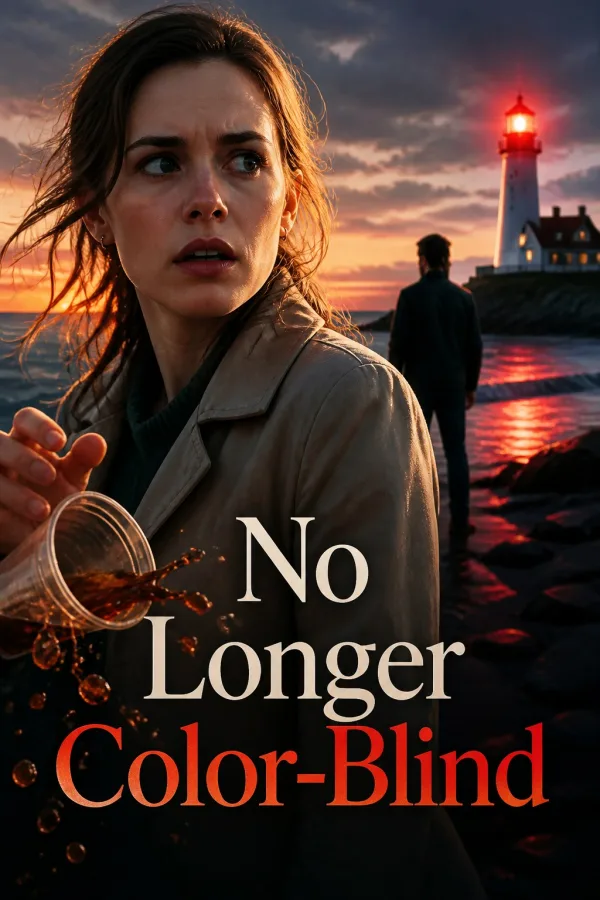
No Longer Color-Blind
A chilling, clever domestic thriller that proves how much we assume we know about the people closest to us.
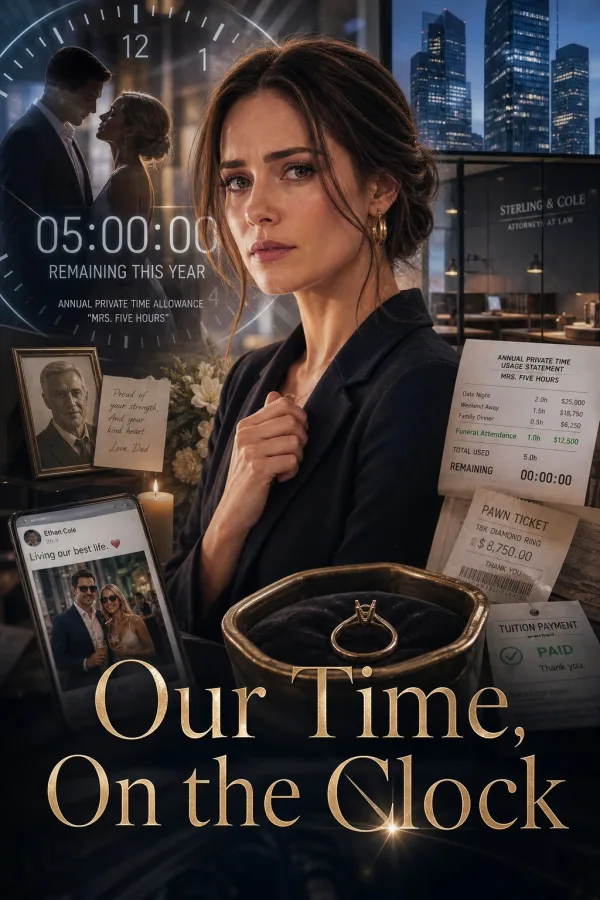
Our Time, On the Clock
A cleverly constructed rom-com that uses the high-pressure world of elite law firms to explore the cost of perfectionism in personal relationships.