The Love That Took Everything
A deeply uncomfortable and intense exploration of toxic attachment that prioritizes tension over emotional safety.
The premise
In this steamy modern romance, a powerful industrialist’s toxic obsession spirals into psychological torment as he drags his ex-girlfriend back into his orbit after a failed legal attempt to sever ties. The narrative dives deep into the darker side of power dynamics, featuring public humiliation, verbal abuse, and non-consensual physical contact that blurs the lines between punishment and possession. While marketed under romance genres, the core experience is one of high-stakes tension and trauma bonding, leaving readers to navigate whether the protagonist’s eventual submission signals a path to healing or further entrapment.
What works
- High-intensity emotional conflict driven by severe power imbalances
- Direct exploration of the damaging consequences of legal and financial control
- Visceral, unflinching tone that refuses to sanitize abusive behaviors
What to watch
- Depicts coercive control and physical threat without clear redemption arc
- Lack of boundary-setting or healthy communication models
Read it if Readers who enjoy dark romance, psychological thrillers, and trauma-focused narratives that explore the extremes of obsessive love and power dynamics.
Skip it if Any reader seeking safe, consensual, or hopeful romance dynamics; those sensitive to domestic abuse, sexual assault, or non-consensual touching.
Similar reads

My Mother Killed Me to Keep Her House Clean
A gut-punch of a story that proves the most terrifying monsters are often the ones who sign your birth certificate.

My Roster Boyfriend Thought I Was Friday
A gripping, atmospheric blend of romance and thriller that rewards patient readers with a satisfying twist on familiar tropes.
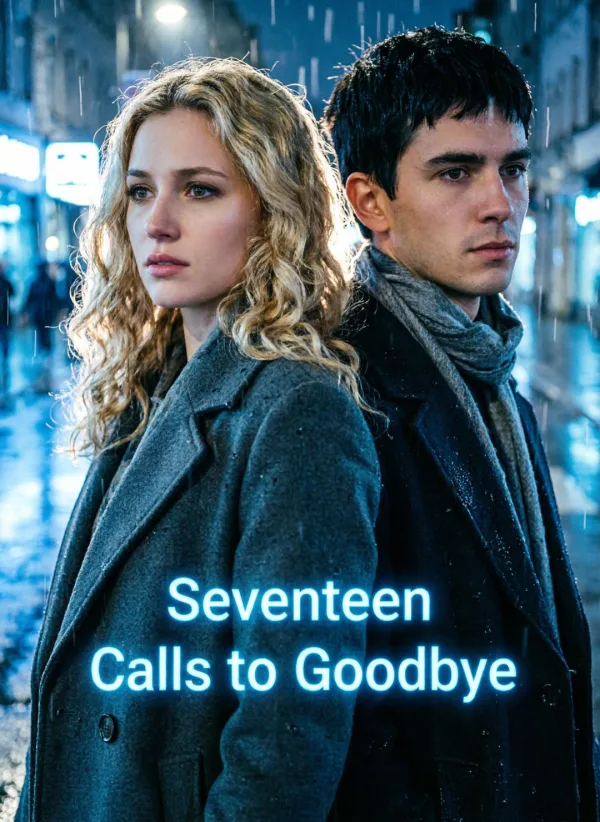
Seventeen Calls to Goodbye
A smart, satisfying revenge-romance that transforms quiet domestic red flags into a thrilling, agency-focused journey.
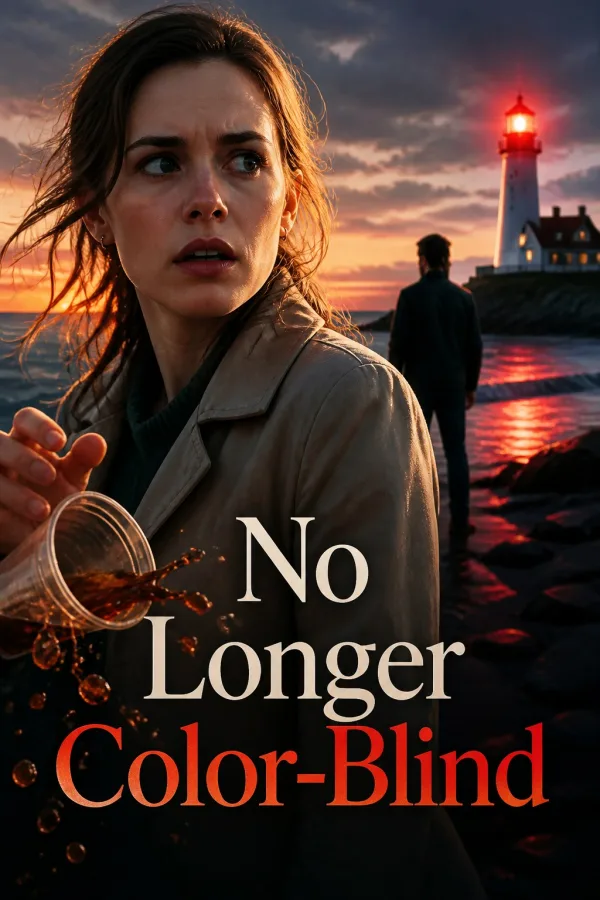
No Longer Color-Blind
A chilling, clever domestic thriller that proves how much we assume we know about the people closest to us.