My Roommate Stole My 100-Pound Body
A bold, supernatural twist on college life that turns body image tropes on their head.
The premise
A seemingly ordinary college roommate dynamic takes a surreal turn when two women mysteriously swap body types. The narrator, a disciplined runner, rapidly gains weight while her formerly heavier roommate, Vivian, sheds pounds. The situation escalates when Vivian seizes a prestigious hosting role and organizes a class-wide effort to 'supervise' the narrator’s weight loss. Instead of complying, the narrator embraces her new physique and encourages collective indulgence, causing Vivian’s weight to balloon uncontrollably. This body-swap mystery blends supernatural elements with social commentary on beauty standards and peer pressure, culminating in a desperate plea from the newly struggling roommate to break their bizarre bond.
What works
- Offers a unique supernatural take on body image and college social dynamics.
- Features strong, proactive protagonist who rejects external control over her body.
- Subverts typical weight-loss narratives by framing collective indulgence as rebellion.
What to watch
- Relies heavily on fantasy logic that may not appeal to strict romantics.
- The premise is unconventional and may feel tonally jarring for genre purists.
Read it if Readers who enjoy body-swap fiction, supernatural romance, or stories about reclaiming autonomy.
Skip it if Those seeking traditional contemporary romances without fantasy or horror elements.
Similar reads

My Mother Killed Me to Keep Her House Clean
A gut-punch of a story that proves the most terrifying monsters are often the ones who sign your birth certificate.

My Roster Boyfriend Thought I Was Friday
A gripping, atmospheric blend of romance and thriller that rewards patient readers with a satisfying twist on familiar tropes.

Seventeen Calls to Goodbye
A smart, satisfying revenge-romance that transforms quiet domestic red flags into a thrilling, agency-focused journey.
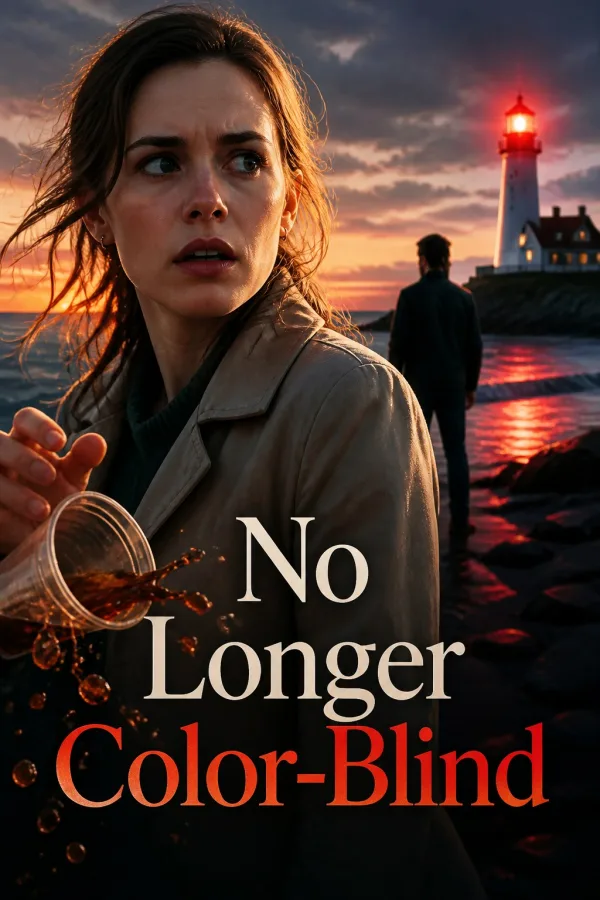
No Longer Color-Blind
A chilling, clever domestic thriller that proves how much we assume we know about the people closest to us.